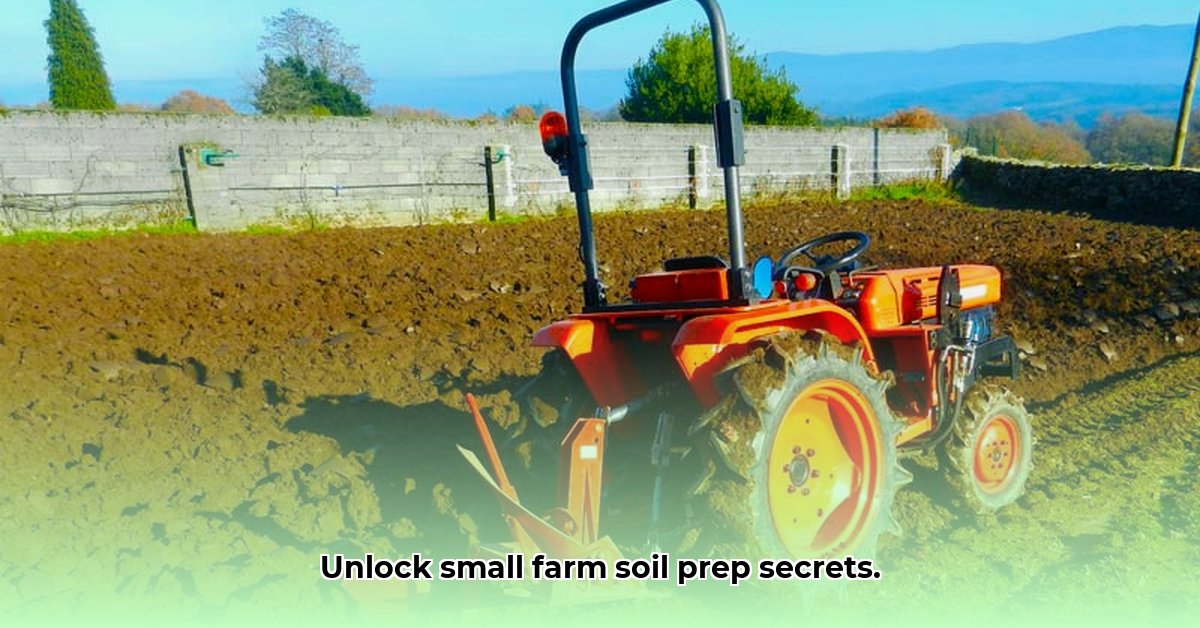
Choosing the right plow for your small farm or garden can be challenging. This guide provides a comprehensive overview of subcompact tractor plows, helping you select, use, and maintain one effectively for sustainable agriculture. We'll cover everything from matching your plow to your tractor and soil type to plowing techniques that protect your soil and the environment. For more options, check out these small tractor attachments.
How Subcompact Tractor Plows Work: A Simple Explanation
Subcompact tractor plows are miniature versions of large-scale farming plows, designed to attach to compact tractors. They utilize the tractor's power to till the land. The plow's sharp blades (plowshares) slice into the soil, while a curved metal piece (the moldboard) flips the soil over, burying weeds and old plant material. The entire assembly is attached to the tractor's three-point hitch for easy connection and disconnection. This process aerates the soil, improves drainage, and prepares the seedbed for planting.
Choosing the Right Plow: Factors to Consider
Selecting the appropriate plow is crucial for efficiency and minimizing soil damage. Consider these key factors:
Tractor Size and Horsepower: Ensure your tractor has sufficient horsepower to handle the plow's size. Underpowering can lead to poor performance and potential damage. Consult your tractor's manual for recommended plow sizes. Isn't it frustrating when your tractor struggles to pull a plow through tough clay?
Soil Type and Conditions: Heavy clay soils require more powerful plows than lighter sandy soils. Virgin (unplowed) land requires a different approach than previously tilled land. What type of soil do you have, and how will that influence your plow choice?
Area Size: Larger areas necessitate wider plows for efficiency. However, excessively wide plows may be less maneuverable on smaller properties. How many acres are you plowing, and how will that affect your plowing strategy?
Plow Type: Single-bottom plows are ideal for smaller areas and lighter soils, offering better maneuverability. Double-bottom plows are faster for larger areas but may require a more powerful tractor. What is the best plow type to accomplish your planting goals efficiently?
Effective Plowing Techniques: Maximizing Efficiency and Minimizing Soil Damage
Proper plowing techniques are essential for maximizing efficiency and minimizing soil damage. Follow these steps:
Setting the Right Depth: Adjust plowing depth based on soil type. Shallower plowing is often preferable for most soil types, minimizing soil disturbance.
Overlapping Passes: Slightly overlap each pass to ensure complete soil turnover, similar to painting a wall to avoid gaps. This ensures uniform tillage.
Prioritizing Safety: Always wear appropriate safety gear, including safety glasses, sturdy boots, and long pants when operating machinery. Maintain a safe distance from others while operating the tractor.
Sustainable Considerations: Minimizing the Environmental Impact of Plowing
While plowing is often necessary, it can have negative environmental consequences. Continuous plowing can damage soil structure, leading to erosion and nutrient loss. To mitigate these effects:
Reduced Tillage: Consider adopting no-till or reduced-tillage methods, minimizing soil disturbance.
Cover Cropping: Planting cover crops between main crops helps prevent erosion, improve soil health, and reduce weed growth.
Alternatives to Plowing: Exploring No-Till and Reduced Tillage
No-till and reduced-tillage farming methods are gaining popularity due to their gentler approach to soil management. These techniques minimize soil disturbance while maintaining soil health. Further information on these practices is readily available online and from local agricultural extension services.
Troubleshooting Common Problems: Addressing Traction, Compaction, and Malfunctions
Even with careful planning, problems can arise:
Traction Issues: If your tractor struggles to move, the soil might be too wet, or the plow may be too heavy. Adjust plow depth, add wheel weights, or use a lighter plow.
Soil Compaction: Excessive plowing compacts the soil, hindering water absorption and root growth. Use a soil tiller after plowing to break up compacted soil. Reduced tillage methods minimize compaction.
Plow Malfunctions: Regular maintenance, including tightening bolts, greasing moving parts, and replacing worn parts, is crucial to prevent malfunctions and ensure longevity.
Conclusion: Choosing the Right Plow for Your Needs
Selecting the right subcompact tractor plow depends on your tractor's capabilities, soil type, and area size. Prioritize sustainable plowing practices to minimize environmental impact. By following these guidelines, you can efficiently prepare your land for planting while maintaining soil health.
Resources
- [Link to relevant manufacturer websites]
- [Link to university extension services]
- [Link to other helpful resources]
Key Takeaways:
- Matching the plow to your tractor and soil type is vital for efficient and sustainable soil preparation.
- Proper plowing techniques minimize soil damage and improve overall productivity.
- Sustainable practices like reduced tillage and cover cropping enhance soil health and long-term viability.